
Promoting Psychology. Supporting Psychologists.
Registrants will receive further information for participating via Zoom Webinar for the presentation.
Program Description: Signed, Seen, Understood: Rethinking Assessment for Deaf and Hard of Hearing
Psychological assessment with Deaf and hard of hearing (DHH) individuals presents unique challenges and opportunities for clinicians, educators, and researchers. This presentation explores the cultural, linguistic, and methodological considerations essential for conducting valid, ethical, and equitable assessments within this population. Traditional psychological testing tools and procedures are often developed for hearing individuals, leading to potential biases and misinterpretations when used with DHH clients. These disparities can result in inaccurate diagnoses, inappropriate treatment planning, and systemic barriers to services. Key topics include communication access (e.g., sign language, spoken language, cued speech, written English), how to work with qualified interpreters, and the impact of language deprivation or delayed language acquisition on cognitive and emotional development. We will examine specific considerations in cognitive, educational, neuropsychological, and personality assessments, with an emphasis on selecting or adapting tools that are culturally and linguistically appropriate. Attention will also be given to working with Deaf individuals from diverse backgrounds, including those who are multiply marginalized. Attendees will gain practical strategies for enhancing assessment practices, including collaborating with Deaf professionals, understanding the role of Deaf culture, and mitigating linguistic and cultural biases. This presentation aims to increase clinician confidence, cultural humility, and competence when working with DHH clients—ultimately promoting more accurate evaluations and better access and outcomes for this underserved population.
Learning Objectives
By completing this program, participants will able to:
1. Identify current challenges in assessing Deaf & Hard of Hearing (DHH) individuals.
2. Critically analyze existing measures and adaptations.
3. Discuss ethical and multicultural implications of assessment with DHH individuals.
4. Describe proposed directions for equitable assessment practices.
Presenter Bio: Aarika V. White, Ph.D., HSPP
Dr. White is the Lead Psychologist at Aspire Indiana Health and co-manages the pre-doctoral internship program at Aspire. Dr. White is licensed in Indiana, where she was born and raised, and Florida, where she has lived since November 2021. She graduated from Ball State University in 2012 and has worked in a variety of settings including university counseling, group practice, and community mental health. Although she lives in Florida, she remains an active member of the psychology community in Indiana through both employment and volunteering with IPA. She has served on multiple committees and in leadership with IPA, and is currently serving as Treasurer. Her clinical interests include working with adults with a history of trauma, anxiety disorders, or Borderline Personality Disorder. She is trained in DBT and EMDR. In her current role at Aspire, she provides leadership, supervision, and clinical oversight to behavioral health staff across the organization, develops and delivers trainings, and collaborates on various projects. Outside of psychology, Dr. White enjoys exploring central Florida, playing golf, engaging in various crafts, and spending time with her partner and their 2 Australian Labradoodles, Winnie & Rue.
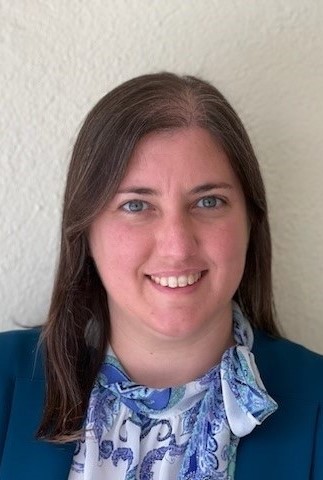
Dr. Aarika White
Presenter Bio: Silvia Lopez
Silvia is a Program Manager at Aspire Indiana Health where she oversees the Deaf Services program. As a Deaf and fluent ASL user, her leadership is crucial in guaranteeing essential services including interpreting, therapy and skills are accessible across 6 Indiana counties and therapy services extended virtually to all 92 counties. Silvia holds a BSW from Rochester Institute of Technology and an MS in Rehabilitation Counseling from the University of North Texas providing her with a strong foundation in both deaf social welfare and deaf mental health. In her personal life, Silvia is married with a 4 year old CODA (Child of Deaf Adults). For leisure, Silvia enjoys reading, cooking, traveling and cherishing time with family and Deaf friends.
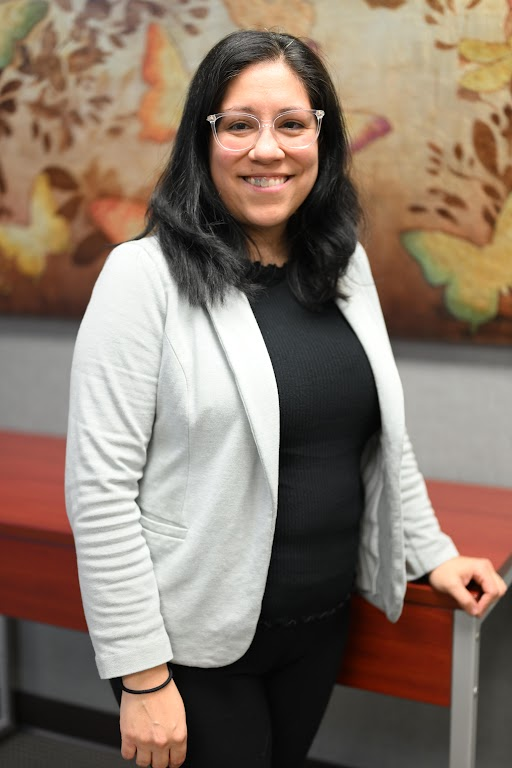
Silvia Lopez
Presenter Bio: Guy Maynard, MA
Guy is a Pre-Doctoral Intern at Aspire Indiana Health. He is a student in the PsyD program at the University of Indianapolis. As a graduate student, Guy has worked in college counseling, community mental health, and private practice settings providing therapy and psychological assessment services. His clinical interests include Autism Spectrum Disorder, neuropsychology, and working with individuals in the LGBTQIA+ community. In his free time, Guy enjoys spending time with his partner and their 12 year-old dachshund, Otis.
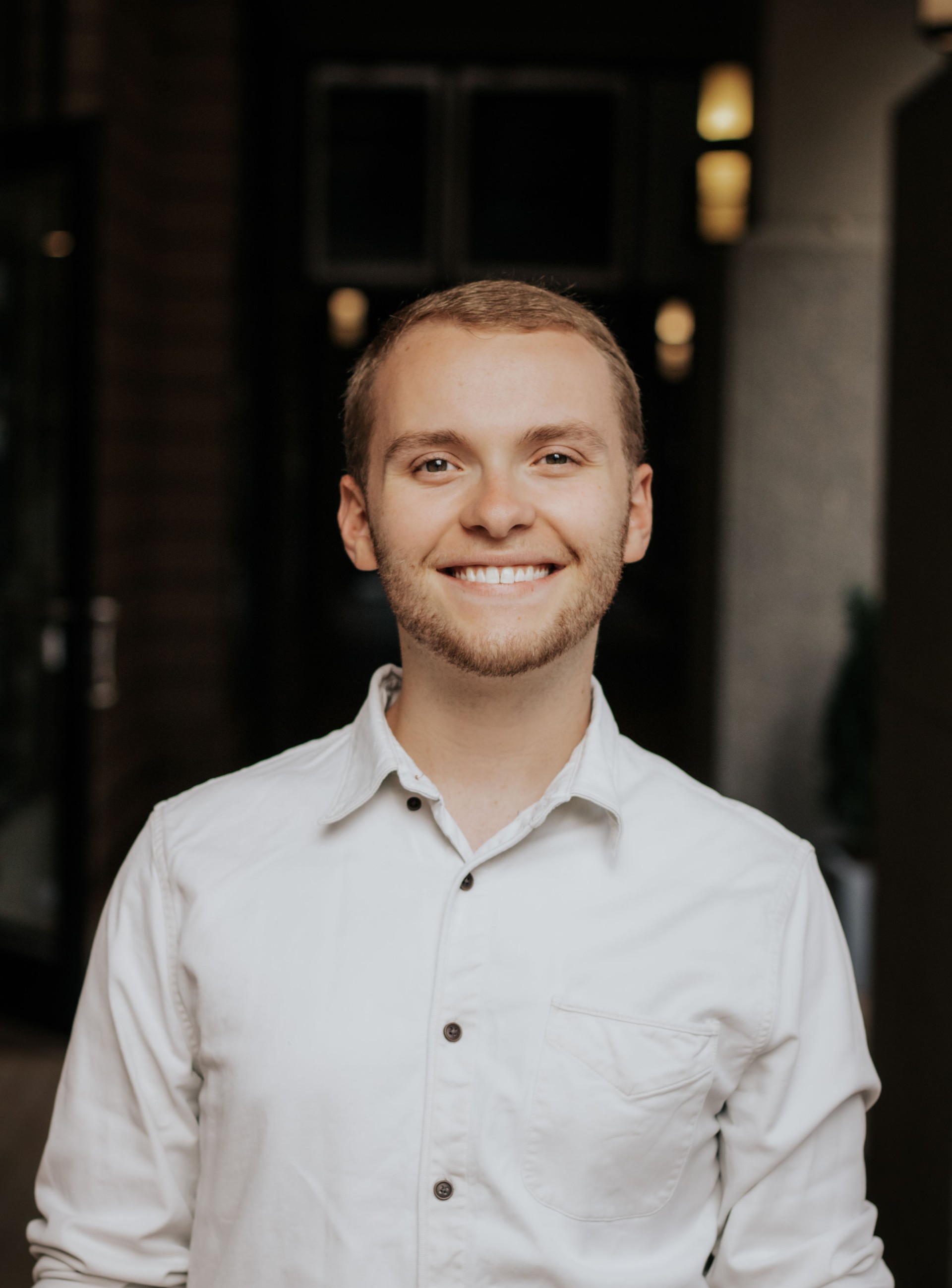
Guy Maynard
Presenter Bio: Hannah Hussey
Hannah is a Pre-Doctoral Intern at Aspire Indiana Health. She is a student in the PsyD program at Hawai’i Pacific University. As a graduate student, Hannah has worked in community mental health, military based, and private practice settings providing therapy services. Her clinical interests include geropsychology and aging, trauma psychology, and nutritional, physiological, and health issues. In her free time, Hannah enjoys beekeeping, hiking, reading, and baking sweet treats with friends.
Presenter Bio: Tyler Niedermeyer, MA
Tyler is a Pre-Doctoral Intern at Aspire Indiana Health. He is a doctoral candidate in the Counseling Psychology, PhD program at Ball State University. Tyler has experience working with individuals across the lifespan in a variety of settings including community mental health, private practice, and college counseling. His clinical interests include chronic health conditions, trauma, and geropsychology. Tyler enjoys playing board games, being out in nature, and relaxing at home with partner and 2 cats, Teddy and Tiger.
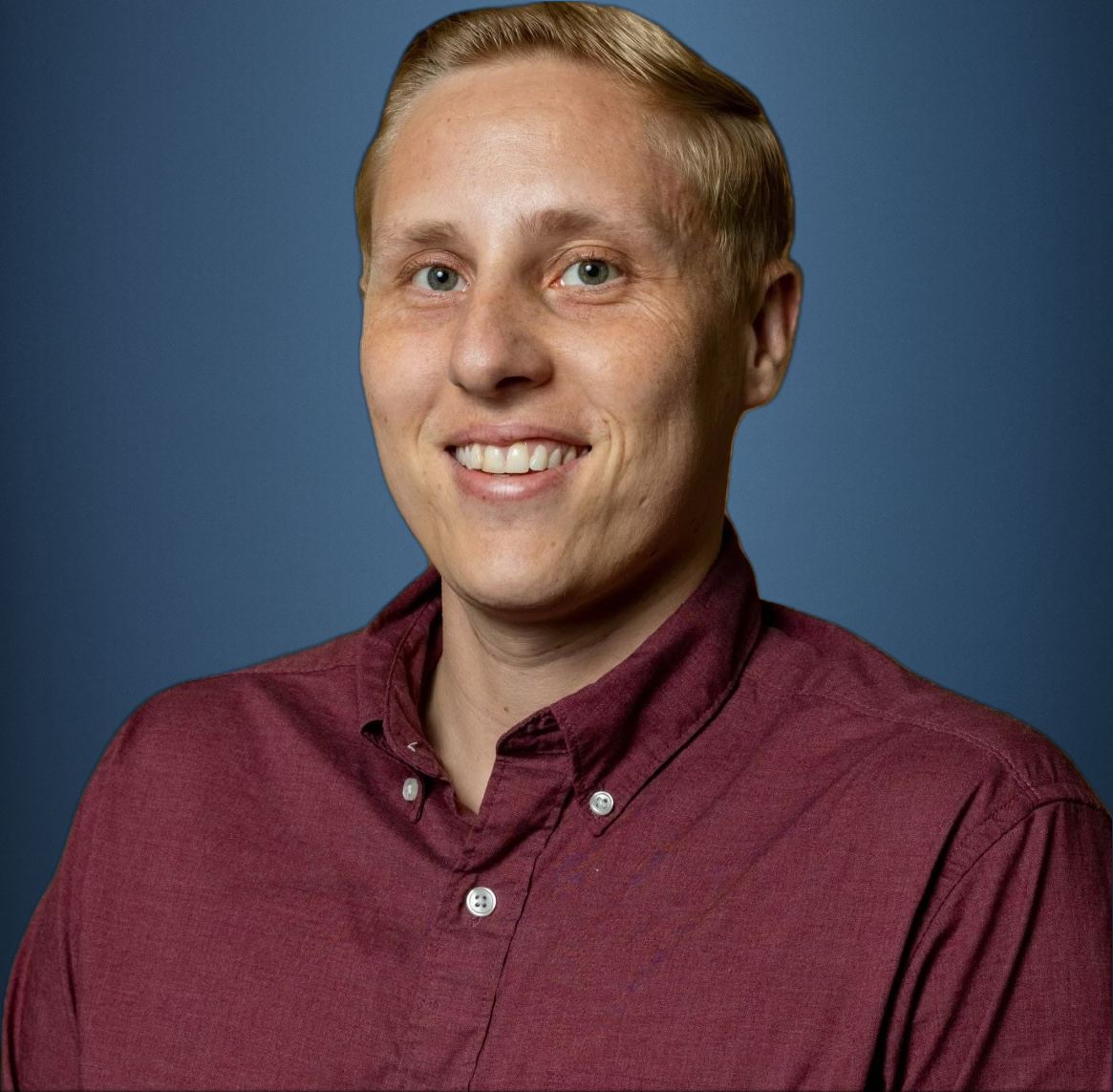
Tyler Niedermeyer
Special Note to Conference Attendees
The Indiana Psychological Association (IPA) is approved by the American Psychological Association to sponsor continuing education for psychologists. The Indiana Psychological Association maintains responsibility for this program and its content.
Indiana State Psychology Board and Indiana Behavioral Health Board:
IPA is an approved provider of Category I continuing education for psychologists.
IPA is an approved provider of Category I continuing education for LSW, LCSW, LMFT, LMHC, LMFTA, LCAC and LAC.
Licensees must judge the program’s relevance to their professional practice.
Please note that APA rules require that credit be given only to those who attend the entire workshop. Those arriving more than 15 minutes after the scheduled start time or leaving early will not receive CE credits. Partial credit cannot be given. We ask that all participants return the post-program evaluation form at the conclusion of the program. The presenters and IPA have not received any commercial support for this program or its contents and will not receive any commercial support prior to or during this program.
CE certificates will be distributed via email withing two weeks post-event.
Registration Fees
IPA New, Premier, Platinum, Emeritus-Practicing, and Student Members - $0
IPA Basic, Emeritus-Retired Members, and Affiliate Members - $15
Non-Members - Psychologists and Other Professionals $30
*If a non-member Student seeking to attend, please either join IPA (free membership with "sponsorship" by an IPA Academic Member or, if outside the state of Indiana, please contact info@indianapsychology.org.
Registration will close on Thursday, March19th, 2026.
| 3/20/2026 |    |
© 2026 Indiana Psychological Association, USA
Privacy Policy

Website powered by MemberLeap, a product of Vieth Consulting.